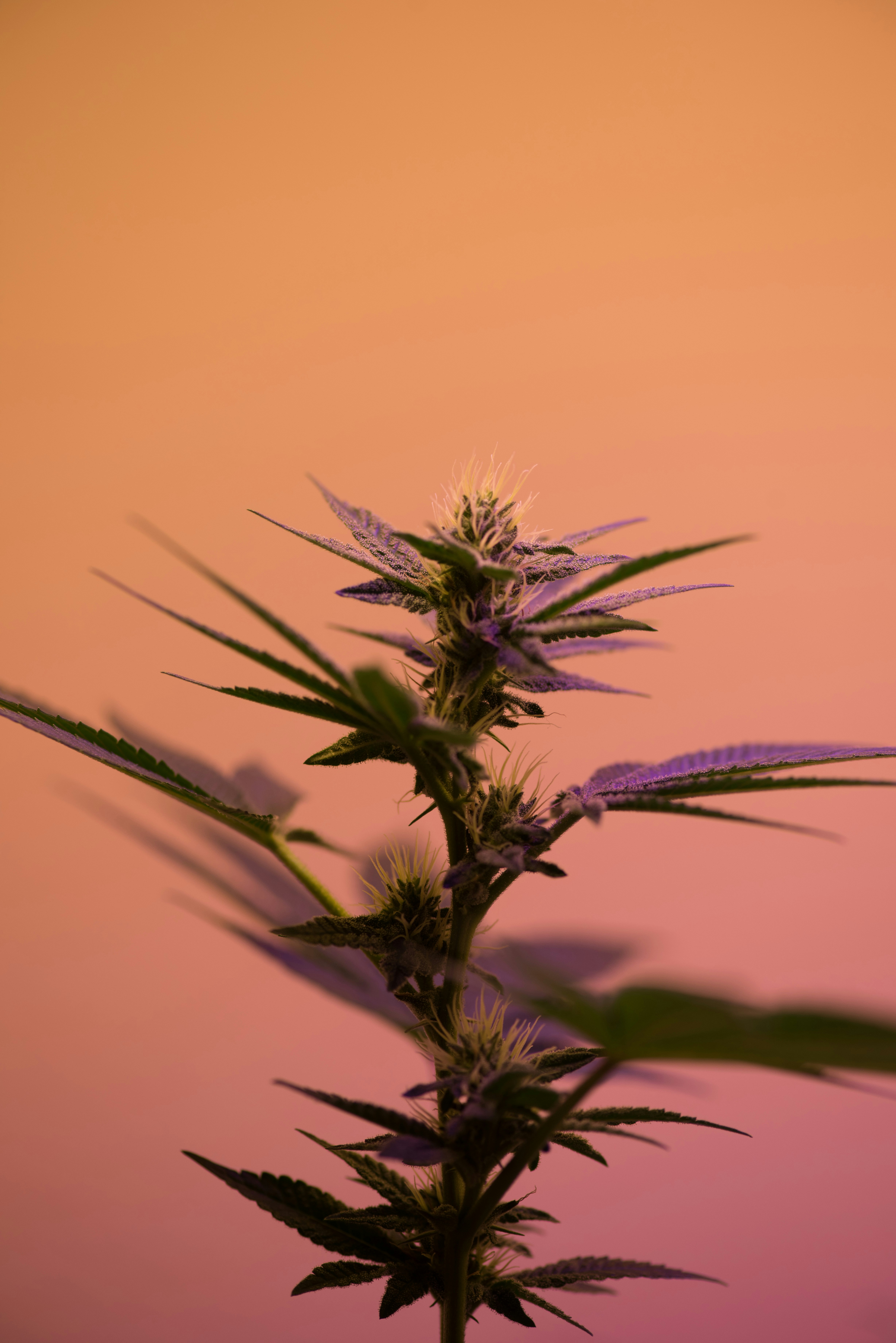
It’s a boy’s world. Or, at least, it has been for a long time. When it comes to cannabis, women have been culturally relegated to the shadows, sneaking joints in private, feeling the heavy weight of societal judgment on their shoulders. The irony is palpable. While men light up freely, no questions asked, women are left in a tangled web of shame. So why is it that women feel ashamed for consuming cannabis?
First Impressions
Let’s start with the basics. Think of the first time you consumed cannabis. I’d wager that you didn’t buy it yourself – most women don’t. You relied on a man (maybe your boyfriend at the time) to get it for you. Cannabis has long been part of a male-centric world, where male stoners laugh and bond over blunts, while women are expected to sip their sauvignon blanc and politely discuss the latest reality TV show.
The “stoner girl” has never been the poster child for marriage material. Unlike men, whose forays into weed culture are depicted as harmless fun – cue the image of Seth Rogen getting high and laughing his way through another movie – women who consume cannabis risk a very different label: the irresponsible mother, the miss going nowhere in life, the bad influence – just to name a few. Women who admit to cannabis use don’t face the same playful mockery. Instead, they face societal condemnation. We are forced to keep our weed habit a secret than to risk being labelled as the woman who can’t keep it together.
The Double Standard
And don’t even get me started on Hollywood. For decades, films have shown men getting high in groups, enjoying their bong rips with a kind of masculine nonchalance. Meanwhile, women’s cannabis use has been nearly invisible in culture. When we do see a woman smoking weed on screen, it’s either a punchline or a scandal. Grace and Frankie gave us a rare, glorious exception in Frankie Bergstein – a woman who unapologetically enjoys cannabis as part of her vibrant life. I’ve never felt more seen than watching her light up. But one Frankie cannot erase decades of cultural exclusion.
Women face a unique double standard: we’re expected to perform our femininity perfectly, balancing work, family, friendships, and self-care, while also maintaining an air of innocence and propriety. Cannabis consumption doesn’t fit into that narrow box. If men can consume weed and still be seen as successful and capable, why can’t we? Women must work twice as hard to be seen as half as good, and consuming cannabis feels like admitting to a flaw – like it’s another strike against us in the battle for societal approval.
Silent Stories and Stigma
In the world of cannabis consumption, particularly for women, there’s a stark contrast between private acceptance and public taboo. I, perhaps more than most, have been granted an intimate perspective into the realities of this dichotomy. My decade-facing career has enabled me to engage in countless conversations, mostly held in the quiet corners of private messages or hushed voices behind closed doors. Here, women share their experiences with cannabis, expressing both their joys with the plant and the challenges in society they face.
However, despite the honour of being trusted with these narratives, there’s a part of me that craves for these stories to be told openly, without fear or hesitation. Unlike discussions on other lifestyle choices which are freely shared and debated publicly, the conversation around women’s cannabis use remains shrouded in secrecy. This is not without reason. The implications of public disclosure are real and significant for many – potential job loss, the disapproval of parents, or the judgment of peers and potential employers. These are not mere inconveniences but real threats that can alter lives and trajectories.
Embracing the Narrative
Yet, as I reflect on these truths, I’m confronted with a paradox: the only path to changing this reality is through transparent dialogue. The stigma around cannabis, particularly for women, is fed by silence. Each story held back is an opportunity lost for challenging preconceived notions and societal judgments. The more we share, the less power the stigma holds.
The road to dismantling these barriers is undoubtedly fraught with challenges. It demands courage and conviction. Yet, history shows us that change is often propelled by those who voice the unspoken. To shift the narrative around women and cannabis, we must lean into these difficult conversations and hold a non-judgmental space for one another in sharing our truths. The only way out, indeed, is through the collective power of our stories, illuminating the path toward acceptance.
A New Future
Women like Frankie Bergstein, and the real-life women who are owning their cannabis consumption, are paving the way for a new narrative. A narrative where cannabis is a tool, not a symbol of failure. Where women can consume freely, without fear of judgment. And where the shame surrounding weed is finally, and forever, smoked out.